
In an increasingly competitive and fast-paced global economy, organizations are recognizing that their most valuable asset is their people. Employee well-being is no longer a peripheral concern but a strategic imperative, directly impacting productivity, retention, and overall business success. The advent of Artificial Intelligence (AI) presents an unprecedented opportunity to revolutionize how companies approach and support the mental and emotional health of their workforce. This comprehensive article delves into the transformative potential of integrating AI in business to foster a thriving and engaged employee base, moving beyond traditional HR paradigms to create truly personalized and proactive well-being solutions.
The imperative for prioritizing employee well-being is underscored by alarming statistics. A recent Deloitte study revealed that poor mental health costs UK employers up to £45 billion annually. Similarly, the World Health Organization estimates that depression and anxiety disorders cost the global economy US$1 trillion each year in lost productivity. These figures highlight a critical need for innovative approaches. Traditional well-being programs, while well-intentioned, often struggle with engagement, scalability, and personalization. This is where the strategic integration of AI in business steps in, offering data-driven insights, personalized interventions, and scalable support that can genuinely move the needle on employee health.
From predictive analytics to tailored mental health support and streamlined administrative tasks, AI's capabilities are vast and varied. It can help identify early signs of stress, provide confidential resources, and even automate mundane tasks that contribute to employee burnout. However, successful AI integration requires a nuanced understanding of ethical considerations, data privacy, and the importance of maintaining a human-centric approach. At FazeAI, we believe in harnessing AI's power to augment human potential, not replace it, ensuring that technology serves as a catalyst for a healthier, happier, and more productive workforce. Join us as we explore the multifaceted ways AI can transform employee well-being, offering actionable strategies and insights for forward-thinking organizations.
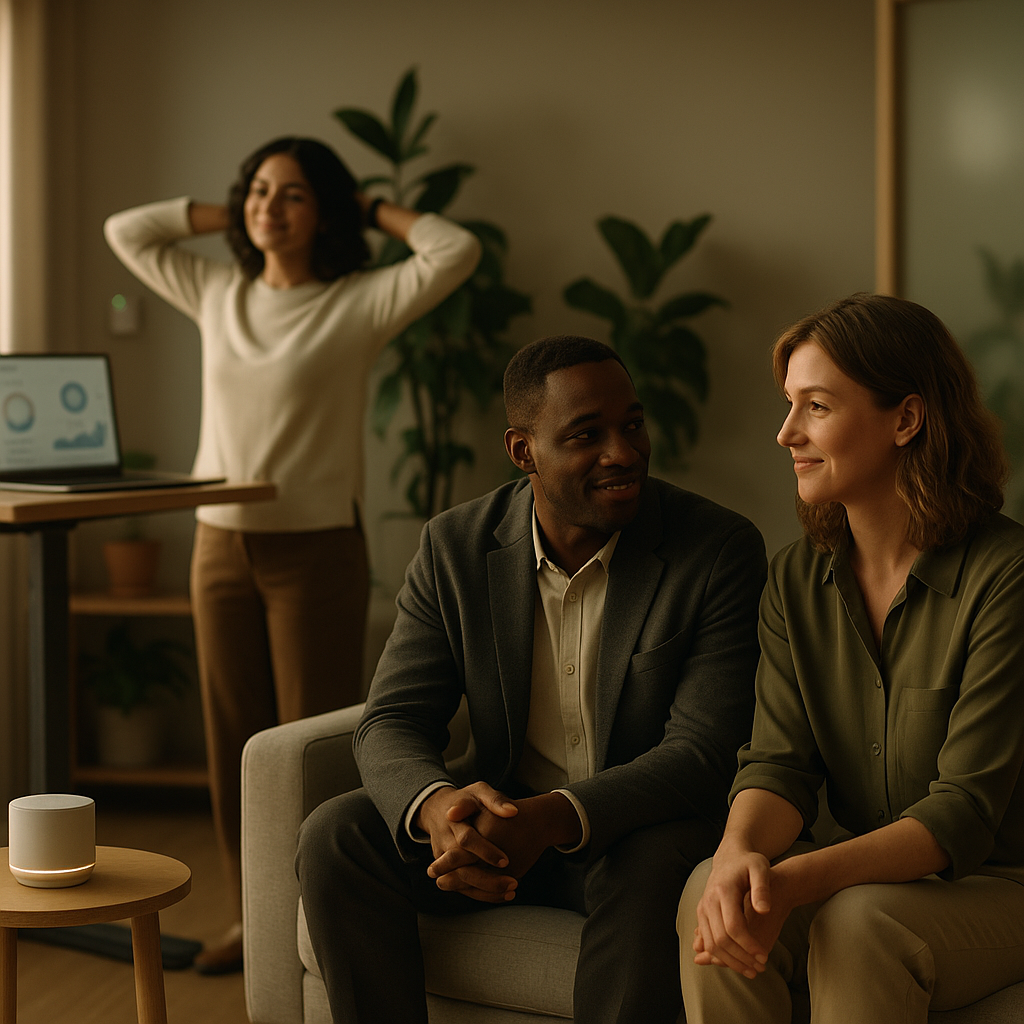
The Strategic Imperative for Integrating AI in Business for Well-being
The modern workplace is characterized by constant change, increasing demands, and a blurring of lines between professional and personal life. These factors contribute significantly to elevated stress levels, burnout, and mental health challenges among employees. Recognizing this, organizations are increasingly looking for robust, scalable, and effective solutions to support their workforce. The strategic integration of AI in business for well-being is not just about adopting new technology; it's about fundamentally rethinking how companies care for their employees, fostering resilience, and creating an environment where individuals can truly thrive.
Understanding the Current Landscape of Employee Well-being Challenges
Traditional well-being initiatives often fall short due to several inherent limitations:
- Lack of Personalization: Generic programs rarely address the diverse and specific needs of individual employees. What works for one may not work for another.
- Low Engagement Rates: Employees often perceive well-being programs as disconnected from their daily work or as an additional burden, leading to low participation.
- Stigma: Even with anonymous services, the stigma associated with seeking mental health support can deter employees from utilizing available resources.
- Scalability Issues: Manual, human-delivered support is inherently limited in its ability to scale across large, geographically dispersed workforces.
- Reactive vs. Proactive: Many programs are reactive, addressing issues only after they manifest, rather than proactively preventing them.
These challenges highlight a significant gap that AI is uniquely positioned to fill. By leveraging data and advanced algorithms, AI can overcome many of these hurdles, offering more personalized, accessible, and proactive support.
The Business Case for Prioritizing Employee Well-being with AI
The benefits of a healthy and engaged workforce extend far beyond ethical considerations; they directly impact the bottom line. Studies consistently show a strong correlation between employee well-being and key business metrics:
Increased Productivity: Healthy employees are more focused, efficient, and innovative. A study by the University of Oxford found that happy employees are 13% more productive.
Reduced Absenteeism and Presenteeism: AI can help identify factors contributing to sick days or presenteeism (being at work but not productive due to health issues), leading to interventions that improve attendance and engagement.
Higher Retention Rates: Companies that invest in employee well-being experience lower turnover. The cost of replacing an employee can range from half to double their annual salary, making retention a significant financial advantage.
Enhanced Employer Brand: A strong commitment to employee well-being attracts top talent and positions the company as a desirable place to work. In today's talent market, an organization's culture and support systems are critical differentiators.
Improved Innovation and Creativity: Employees who feel supported and secure are more likely to take risks, share ideas, and contribute to a culture of innovation.
By strategically implementing AI solutions, businesses can achieve these benefits more effectively and at scale. For instance, AI-powered platforms can offer personalized recommendations for stress management based on individual usage patterns (e.g., stress management techniques), or suggest development pathways complementing an employee's unique personality profile, like those identified by MindPrint.
Practical Applications of AI for Employee Well-being
The capabilities of AI extend across various facets of employee well-being, offering innovative solutions that were previously unimaginable. From mental health support to physical wellness and professional development, AI can provide tailored, accessible, and proactive interventions. The key to successful integration of AI in business lies in identifying the right tools and strategies that align with organizational goals and employee needs.
AI-Powered Mental Health Support and Counseling
Mental health is a critical component of overall well-being, yet it often remains stigmatized and underserved. AI can bridge this gap by providing confidential, always-on support:
- Chatbots and Virtual Assistants: AI-powered chatbots can offer immediate, anonymous support for stress, anxiety, and other mental health concerns. They can guide employees through mindfulness exercises, cognitive behavioral therapy (CBT) techniques, or direct them to professional resources. For example, FazeAI's SOLVYR AI coach provides therapy and problem-solving support, offering a safe space for employees to process thoughts and develop coping mechanisms.
- Personalized Mental Wellness Journeys: AI can analyze an employee's self-reported data, usage patterns, and even sentiment from anonymous internal communications (with strict privacy protocols) to create personalized mental wellness plans. These plans might include guided meditations, journaling prompts, or recommendations for specific therapeutic exercises. Platforms like FazeAI's EIWA specialize in meditation and mindfulness, offering personalized pathways to reduce stress and improve focus.
- Early Warning Systems: AI can monitor aggregated, anonymized data (e.g., communication patterns, work hours, engagement with internal tools) to identify potential signs of distress or burnout at an organizational level. This allows HR and management to implement broader preventative measures or offer targeted support without singling out individuals.
Physical Health and Lifestyle Management with AI
Beyond mental health, AI can significantly contribute to employees' physical well-being and healthy lifestyle choices:
- Personalized Fitness and Nutrition Plans: AI can analyze individual health data (from wearables, self-reported information) to create customized exercise routines, dietary recommendations, and healthy habit challenges. This moves beyond generic wellness apps to provide truly tailored guidance.
- Ergonomics and Workplace Safety: AI-powered sensors and computer vision can analyze employee posture, desk setup, and movement patterns to provide real-time feedback and recommendations for improving ergonomics, preventing musculoskeletal issues.
- Stress Reduction through Biofeedback: Advanced AI systems can integrate with wearables to monitor physiological indicators of stress (heart rate variability, skin conductance) and provide real-time biofeedback, guiding employees through breathing exercises or short breaks. FazeAI's HeartMap assessment, for instance, provides insights into emotional intelligence, which is closely linked to stress resilience and overall well-being.
Enhancing Professional Development and Engagement
Well-being is also deeply intertwined with career satisfaction and growth. AI can play a crucial role here:
- Personalized Learning Paths: AI can analyze an employee's skills, career aspirations, and performance data to recommend relevant training courses, workshops, and development opportunities, fostering a sense of growth and purpose. This aligns with FazeAI's mission of AI-Powered Personal Development.
- Workload Optimization: AI can help managers analyze team workloads, identify potential bottlenecks, and suggest rebalancing tasks to prevent burnout and ensure equitable distribution. This proactive approach can significantly reduce stress.
- Feedback and Recognition: AI-powered sentiment analysis tools can process anonymous employee feedback to identify areas for improvement in company culture or management practices. Additionally, AI can facilitate peer recognition programs, fostering a positive and appreciative work environment.
By strategically deploying these AI applications, organizations can create a holistic well-being ecosystem that supports employees across all dimensions of their lives. This comprehensive approach is not just beneficial for employees; it's a powerful driver of organizational success.
Implementing AI for Employee Well-being: A Step-by-Step Guide
Successfully integrating AI into an organization's well-being strategy requires careful planning, ethical consideration, and a clear understanding of both technological capabilities and human needs. It's not merely about purchasing a new tool but about fostering a culture of support and leveraging technology responsibly. This section outlines a practical, step-by-step approach to navigate the complexities of this transition.
Phase 1: Assessment and Strategy Development
Before diving into specific solutions, a thorough understanding of the current state and desired future is essential.
Step 1: Conduct a Comprehensive Needs Assessment
- Identify Current Challenges: Survey employees (anonymously), conduct focus groups, and analyze existing HR data (e.g., absenteeism rates, turnover, EAP utilization) to pinpoint specific well-being pain points. Are employees struggling with stress (stress management), work-life balance, lack of development opportunities, or specific physical health concerns?
- Define Objectives: Clearly articulate what success looks like. Examples: "Reduce employee burnout by 15% within 12 months," "Increase utilization of mental health resources by 20%," or "Improve employee engagement scores by 10%."
- Evaluate Current Resources: Catalogue existing well-being programs, tools, and support systems. Identify their strengths, weaknesses, and gaps that AI could address.
Step 2: Develop an AI Well-being Strategy
- Align with Business Goals: Ensure the AI well-being strategy supports broader organizational objectives, such as productivity, innovation, and talent retention.
- Prioritize Areas for AI Intervention: Based on the needs assessment, decide which well-being domains would benefit most from AI (e.g., mental health, physical activity, professional development).
- Establish Ethical Guidelines and Data Privacy Protocols: This is paramount. Develop clear policies on data collection, anonymization, usage, and security. Employees must trust that their data is protected and used responsibly. Consult legal and privacy experts. For FazeAI's approach to data and privacy, see Usage Tracking & Privacy.
- Allocate Budget and Resources: Determine the financial investment, human resources (HR, IT, data scientists), and time commitment required.
Phase 2: Solution Selection and Pilot Implementation
Once the strategy is in place, it's time to explore and test specific AI solutions.
Step 3: Research and Select AI Tools and Platforms
- Explore Vendor Solutions: Investigate various AI well-being platforms and tools available in the market. Look for solutions that align with your defined objectives and ethical guidelines. Consider providers like FazeAI, which offers a suite of AI features including assessments and AI coaches.
- Prioritize Key Features: Do you need personalized coaching (e.g., SOLVYR), comprehensive assessments (e.g., VitalPulse for wellness), or tools for habit formation (habits)?
- Consider Integration Capabilities: Ensure the chosen solutions can integrate seamlessly with existing HR systems, internal communication platforms, and other enterprise tools.
Step 4: Conduct a Pilot Program
- Start Small: Implement the chosen AI solution with a small, representative group of employees. This could be a specific department or a volunteer cohort.
- Gather Feedback: Collect qualitative and quantitative feedback from pilot participants. What worked well? What were the challenges? How can the solution be improved?
- Measure Against Objectives: Track key metrics identified in Step 1 to assess the pilot's effectiveness.
Phase 3: Full-Scale Deployment and Continuous Optimization
Based on pilot learnings, roll out the solution to the entire organization and ensure ongoing refinement.
Step 5: Full-Scale Deployment and Communication
- Rollout Strategy: Plan a phased or company-wide rollout based on pilot success.
- Comprehensive Communication Plan: Clearly communicate the purpose, benefits, and privacy safeguards of the AI well-being initiative. Address potential employee concerns about data privacy and job security. Emphasize that AI is a tool to support, not replace, human interaction.
- Training and Support: Provide adequate training for employees and managers on how to use the AI tools effectively and understand their benefits.
Step 6: Monitor, Evaluate, and Iterate
- Continuous Monitoring: Regularly track key performance indicators (KPIs) related to well-being and business outcomes.
- Feedback Loops: Establish ongoing mechanisms for employee feedback and suggestions.
- Iterative Improvement: Use data and feedback to continuously refine and optimize the AI well-being program. AI models can learn and improve over time, so leverage this capability.
By following these steps, organizations can strategically implement integration of AI in business to create a robust and effective well-being ecosystem that truly supports their employees.
Ethical Considerations and Best Practices in AI for Well-being
While the potential benefits of AI in enhancing employee well-being are immense, its implementation is not without challenges, particularly concerning ethical considerations and data privacy. A responsible and transparent approach is crucial to build trust and ensure the initiatives are genuinely beneficial. Ignoring these aspects can lead to employee distrust, legal repercussions, and ultimately, the failure of the program.
Data Privacy and Anonymization: The Cornerstone of Trust
The collection and analysis of employee data, even for well-being purposes, raise significant privacy concerns. Organizations must adhere to the highest standards of data protection:
- Strict Anonymization and Aggregation: Personal employee data (e.g., individual assessment results from MindPrint or usage data from FazeAI Chrome Extension) should never be accessible to managers or HR in an identifiable format. AI systems should primarily work with aggregated, anonymized data to identify trends and patterns at a collective level.
- Transparency and Consent: Employees must be fully informed about what data is collected, why it's collected, how it's used, and who has access to it. Explicit consent should be obtained, and employees should have the option to opt-out of certain data collection or program participation without penalty.
- Purpose Limitation: Data collected for well-being purposes should only be used for those specific purposes. It should not be used for performance evaluations, disciplinary actions, or any other unrelated context.
- Robust Security Measures: Implement state-of-the-art cybersecurity protocols to protect sensitive well-being data from breaches and unauthorized access. Regularly audit these systems.
- Compliance with Regulations: Ensure full compliance with relevant data protection regulations such as GDPR, CCPA, and local privacy laws.
Trust is fragile. A single data breach or misuse of information can erode years of effort in building a positive employer-employee relationship. Organizations like FazeAI prioritize data privacy, as detailed in our Usage Tracking & Privacy policy.
Avoiding Bias and Discrimination
AI algorithms are only as unbiased as the data they are trained on. If historical data contains biases, the AI system can perpetuate or even amplify them, leading to discriminatory outcomes:
- Bias in Algorithm Design: Ensure that AI models are designed and trained with diverse datasets to prevent biases related to gender, race, age, disability, or other protected characteristics. For example, a well-being recommendation system should not inadvertently favor one demographic over another.
- Fairness and Equity: Regularly audit AI systems for fairness and ensure that well-being support is offered equitably across all employee groups. This includes ensuring accessibility for employees with disabilities.
- Human Oversight: AI should augment, not replace, human decision-making. Human oversight is essential to catch and correct any biased outputs or unfair recommendations generated by AI.
Maintaining a Human-Centric Approach
The goal of AI in well-being is to enhance human support, not to dehumanize it. The human touch remains irreplaceable, especially in sensitive areas like mental health:
- Augmenting Human Expertise: AI should empower HR professionals, managers, and mental health specialists, providing them with better tools and insights, rather than replacing their empathetic and nuanced understanding.
- Clear Escalation Paths: AI tools should have clear mechanisms to flag situations that require human intervention, such as severe mental health crises or complex personal issues. Employees should always know how to access human support when needed.
- Focus on Empowerment, Not Surveillance: The intent of AI integration must be to empower employees to take control of their well-being, not to monitor or control them. The narrative around AI well-being should be one of support and enablement.
- Feedback and Adaptability: Continuously gather feedback from employees on their experience with AI tools. Are they perceived as helpful? Do they feel impersonal? Use this feedback to adapt and improve the systems.
By proactively addressing these ethical considerations and adhering to best practices, organizations can build effective, trusted, and truly beneficial AI-powered well-being programs that foster a positive and supportive work environment.
Discover your profile with our AI assessments
Our 6 science-based assessments analyze your personality, emotional intelligence, wellness, and creativity.
Future Trends and the Evolving Role of AI in Employee Well-being
The landscape of AI technology is constantly evolving, and its application in employee well-being is no exception. As AI becomes more sophisticated, personalized, and integrated, we can expect even more profound impacts on how organizations support their workforce. Understanding these emerging trends is key for businesses looking to stay ahead and continuously enhance their well-being strategies.
Hyper-Personalization and Predictive Analytics
The future of AI in well-being will be defined by an even greater degree of personalization, moving beyond current capabilities to anticipate needs proactively:
- Predictive Well-being: Advanced AI models will leverage a broader range of data points (anonymized work patterns, environmental factors, physiological data from wearables, even public health trends) to predict individual or group well-being risks before they manifest. For example, AI might identify patterns indicating an increased likelihood of burnout based on workload fluctuations and suggest proactive interventions, such as recommending a specific module from VitalPulse for stress reduction or linking to resources on personal transformation.
- Adaptive Interventions: AI will dynamically adjust well-being programs and resources based on real-time feedback and changing employee needs. If an employee is experiencing a period of high stress, the AI might automatically suggest shorter, more frequent mindfulness breaks or offer access to a virtual coach like EIWA.
- Digital Twins for Well-being: Imagine an AI-powered 'digital twin' of an employee (anonymized and consent-driven) that simulates the impact of different work scenarios on their well-being, allowing for proactive adjustments to roles, projects, or work environments to optimize health and performance.
Integration with Smart Workplaces and IoT
As workplaces become smarter, AI well-being solutions will seamlessly integrate with the physical environment and Internet of Things (IoT) devices:
- Environmental Optimization: AI-powered smart buildings will adjust lighting, temperature, and air quality based on employee preferences and well-being metrics, creating optimal work environments.
- Wearable Tech Integration: Deeper integration with wearables will provide more nuanced physiological data, allowing AI to offer highly personalized recommendations for sleep, activity, and stress management. This could include personalized insights from assessments like FazeAI's HeartMap or MindPrint, tailored to an individual's unique biological and psychological profile.
- AI-Powered Ergonomics: Smart desks and chairs will adjust automatically based on individual posture and movement, guided by AI analysis, to prevent discomfort and injury.
The Rise of Conversational AI and Emotional Intelligence
Conversational AI will become more sophisticated, mimicking human empathy and understanding:
- Emotionally Intelligent AI Coaches: Future AI coaches will not only understand natural language but also detect subtle emotional cues in text or voice (with consent), allowing for more empathetic and context-aware interactions. They will be better equipped to provide support similar to a human coach, understanding nuances in emotional intelligence, which FazeAI's HeartMap helps assess.
- Proactive Outreach: Instead of waiting for employees to seek help, AI could proactively check in with employees (via opt-in channels) based on observed patterns or life events, offering timely support and resources.
- Seamless Information Access: AI will make it easier for employees to access well-being resources, policy information, and support contacts through natural language queries, eliminating friction and encouraging utilization.
The continuous development of AI promises a future where employee well-being is not just supported but actively nurtured and optimized through intelligent, adaptive, and deeply personalized systems. The key for organizations will be to embrace these innovations responsibly, always keeping human dignity and privacy at the forefront of their AI strategies.
Practical Tips for Maximizing AI's Impact on Employee Well-being
Successfully integrating AI into your well-being strategy goes beyond just choosing the right technology. It requires a thoughtful approach to implementation, communication, and continuous improvement. Here are practical tips to help organizations maximize the positive impact of AI on employee well-being.
- Start with a Clear "Why": Before implementing any AI tool, clearly articulate the specific well-being problem you are trying to solve and how AI will address it. Communicate this 'why' to employees and leadership. A clear purpose fosters buy-in and helps measure success.
- Ensure Leadership Buy-in and Sponsorship: AI well-being initiatives require significant investment and cultural change. Strong support from senior leadership is crucial for resource allocation, overcoming resistance, and setting the tone for adoption.
- Prioritize Employee Feedback: Continuously solicit feedback from employees on their experience with AI tools. Use surveys, focus groups, and one-on-one discussions to understand what works, what doesn't, and how the tools can be improved. This iterative process ensures the solutions remain relevant and effective.
- Integrate AI with Existing HR Systems: For seamless user experience and data flow, integrate AI well-being platforms with your existing HRIS, learning management systems, and internal communication tools. This reduces friction and encourages adoption. Consider how FazeAI's solutions could integrate with your existing infrastructure; you can request a quote for FazeCare to explore corporate solutions.
- Emphasize Human-AI Collaboration: Position AI as an assistant and enhancer, not a replacement for human interaction. Train managers and HR staff on how to leverage AI insights to better support their teams, while still providing empathetic, human-led guidance.
- Provide Training and Education: Many employees may be unfamiliar or even wary of AI. Provide clear, accessible training on how to use the AI well-being tools, explaining their benefits and addressing concerns about privacy and data security.
- Promote a Culture of Openness and Psychological Safety: Create an environment where employees feel safe discussing their well-being concerns without fear of judgment or reprisal. This culture is essential for encouraging honest engagement with AI tools and seeking help when needed.
- Measure and Communicate ROI: Track key metrics (e.g., reduction in absenteeism, improvement in engagement scores, utilization rates of AI tools) and regularly communicate the positive impact of the AI well-being program to all stakeholders. This reinforces its value and justifies continued investment.
- Focus on Continuous Learning and Adaptation: The AI landscape is dynamic. Stay informed about new developments and be prepared to adapt your well-being strategy as new technologies and best practices emerge. Regularly review and update your AI tools and approaches.
- Consider Scalability from the Outset: As your organization grows, your well-being solutions should be able to scale with it. Choose AI platforms that can adapt to increasing user numbers and evolving needs.
By implementing these practical tips, organizations can ensure that their integration of AI in business for employee well-being is not just a technological upgrade, but a transformative initiative that truly fosters a healthier, happier, and more productive workforce.
Frequently Asked Questions about AI Integration for Employee Well-being
Q1: How can AI ensure employee data privacy when dealing with sensitive well-being information?
A1: Ensuring data privacy is paramount for the successful integration of AI in employee well-being. Organizations must implement robust measures, including strict data anonymization and aggregation techniques, where individual data points are stripped of identifiers and combined to reveal trends rather than individual insights. Explicit consent must be obtained from employees regarding what data is collected, how it's used, and who can access it. Data should only be used for its stated well-being purpose and not for performance reviews or disciplinary actions. Furthermore, state-of-the-art encryption, access controls, and regular security audits are essential to protect against breaches. Adherence to global regulations like GDPR and CCPA is non-negotiable. At FazeAI, we prioritize privacy by design, ensuring that employee data is handled with the utmost care and transparency, as detailed in our Usage Tracking & Privacy policy.
Q2: Will AI replace HR professionals or mental health counselors in supporting employee well-being?
A2: No, AI is designed to augment, not replace, the critical roles of HR professionals and mental health counselors. AI tools can handle repetitive tasks, provide 24/7 initial support, analyze large datasets for trends, and offer personalized, scalable resources. This frees up human experts to focus on complex cases, provide empathetic one-on-one support, and develop strategic well-being initiatives based on AI-driven insights. For example, an AI coach like FazeAI's SOLVYR can offer initial problem-solving, but a human therapist remains crucial for deep, nuanced psychological support. AI enhances the efficiency and reach of human support, allowing HR and counselors to be more proactive and effective in their roles.
Q3: How can organizations overcome employee skepticism or fear regarding AI's role in well-being?
A3: Overcoming skepticism requires a multi-faceted approach centered on transparency, communication, and demonstrated value. Firstly, clearly communicate the 'why' behind AI integration – emphasizing its role in supporting employees, not surveilling them. Provide comprehensive training on how the tools work, their benefits, and stringent privacy safeguards. Highlight success stories from pilot programs. Foster a culture of psychological safety where employees feel comfortable engaging with the tools. Encourage leadership to champion the initiative and demonstrate their own engagement. By focusing on empowerment, privacy, and tangible benefits, organizations can build trust and encourage adoption. Companies like FazeAI focus on user-centric design to ensure our AI-Powered Personal Development tools are intuitive and trustworthy.
Q4: What are the key metrics to measure the success of AI well-being programs?
A4: Measuring success involves a combination of quantitative and qualitative metrics. Key quantitative metrics include: utilization rates of AI well-being tools, reduction in absenteeism and presenteeism, improvements in employee engagement scores (via surveys), decrease in employee turnover, and potentially, a reduction in healthcare costs related to stress or mental health issues. Qualitative metrics can be gathered through employee feedback, testimonials, and focus groups, assessing their perceived value, ease of use, and impact on their overall well-being. It's crucial to establish baseline metrics before implementation and track progress over time against clearly defined objectives. For instance, an increase in engagement with FazeAI's assessments or AI Coaches could indicate a positive trend in proactive self-care.
Q5: Can small and medium-sized enterprises (SMEs) afford to implement AI for employee well-being?
A5: Absolutely. While large corporations might have bigger budgets, many AI well-being solutions are now scalable and accessible for SMEs. Cloud-based AI platforms often operate on subscription models (FazeAI pricing), making them cost-effective. SMEs can start with pilot programs focusing on specific, high-impact areas (e.g., mental health chatbots or personalized stress management tools) before expanding. The return on investment (ROI) from improved productivity, reduced turnover, and enhanced employee satisfaction can quickly justify the initial outlay. Many providers offer tiered pricing or tailored solutions to fit different organizational sizes and budgets. The key is to choose solutions that align with specific needs and offer clear value, similar to how FazeAI offers various FazeCare Quote Request options to suit different business requirements.
Our specialized AI coaches guide your journey
Each coach is designed for a specific area of your personal development.
Conclusion: A Future of Enhanced Well-being Through Smart AI Integration
The journey towards a truly supportive and high-performing workplace is intrinsically linked to prioritizing employee well-being. As we have explored throughout this article, the strategic integration of AI in business represents a monumental leap forward in achieving this goal. Far from being a mere technological trend, AI offers a practical, scalable, and personalized approach to addressing the multifaceted challenges of modern employee health and happiness.
From providing confidential mental health support and personalized physical wellness plans to optimizing professional development and fostering a culture of engagement, AI's applications are diverse and impactful. It empowers organizations to move from reactive crisis management to proactive well-being cultivation, creating environments where employees feel valued, understood, and equipped to thrive. The insights gleaned from AI-driven analytics can inform more effective HR strategies, identify systemic issues, and ensure that well-being initiatives are truly data-driven and impactful.
However, the successful adoption of AI in this sensitive domain hinges on a steadfast commitment to ethical principles, particularly data privacy, transparency, and the avoidance of bias. Organizations must foster a culture of trust, ensuring that AI serves as an augmentation to human support, never a replacement. The human element – empathy, nuanced understanding, and personal connection – remains irreplaceable and should be enhanced by AI, not diminished.
The future of employee well-being is intelligent, personalized, and deeply integrated. Companies that embrace AI responsibly and strategically will not only cultivate healthier, more engaged workforces but also gain a significant competitive advantage in attracting and retaining top talent. Platforms like FazeAI are at the forefront of this transformation, offering innovative AI-powered solutions that champion personal development and mental well-being. By taking a thoughtful, phased approach to AI integration, businesses can unlock a future where technology and humanity converge to create truly thriving workplaces for all.
Start your transformation with FazeAI
AI-powered coaching, daily tracking & science-backed tools — available 24/7.
Try for freeFree • No commitment • Available on mobile and web

Fondateur & Créateur · Futur Psychiatre
Founder and creator of FazeAI. Background in LAS (Health Access License) with ongoing medical studies abroad pursuing psychiatry specialization. Full-stack developer passionate about the intersection of artificial intelligence, neuroscience, and mental health. He designs ethical AI tools for personal transformation and therapeutic support.
Recent articles
The Complete Guide to AI Integration for Employee Well-being in the Workplace
Discover how AI integration in the workplace is revolutionizing employee well-being, offering personalized mental health support, physical wellness, and burnout prevention. This guide provides a comprehensive framework for businesses to strategically implement AI, ensuring ethical use, fostering engagement, and driving a healthier, more productive workforce.
Integrating AI for Employee Well-being: A Comprehensive Guide for Businesses
Discover how the strategic integration of AI in business can revolutionize employee well-being. This comprehensive guide provides actionable steps, ethical considerations, and future insights for creating a healthier, more productive, and engaged workforce through personalized AI-driven support.
Integrating AI for Employee Well-Being: A Comprehensive Guide
Explore how integrating AI in enterprises can enhance employee well-being, reduce stress, and improve job satisfaction with practical steps and real-world examples.
🍃 Wellness & LifestyleTop AI Tools for Enhancing Mindfulness Practices
Explore the top AI mindfulness tools revolutionizing personal well-being practices. Discover how these tools enhance mindfulness with personalized insights.