
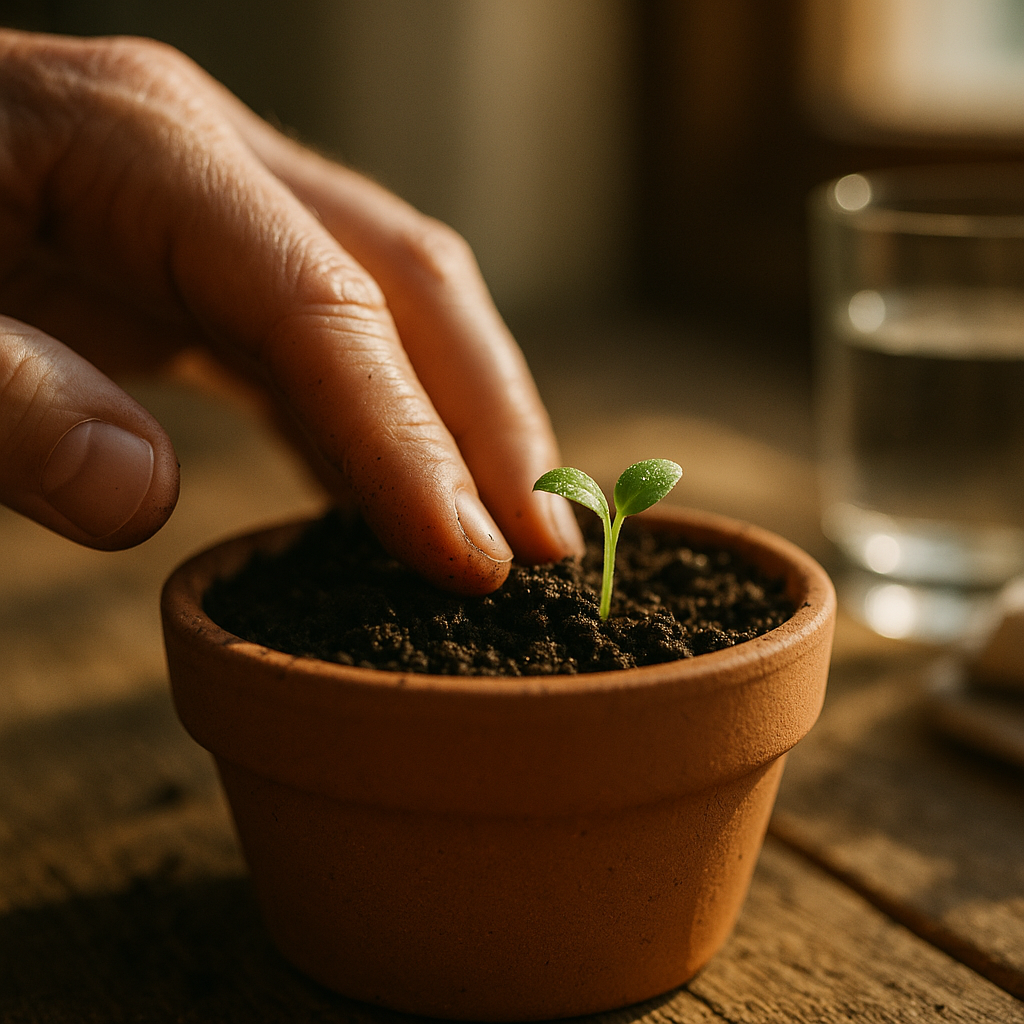
As Christophe Orsat, Art Director at FazeAI, my work revolves around designing intuitive interfaces that simplify daily life. This philosophy extends directly to personal well-being. Developing healthy habits isn't just about willpower; it's about understanding human psychology, cognitive ergonomics, and crafting an environment that supports your goals. In this comprehensive guide, we'll delve deep into expert conseils pour développer des habitudes saines, offering actionable strategies to transform your daily routines and achieve lasting personal growth.
Many people embark on the journey of self-improvement with great enthusiasm, only to find their motivation wane after a few weeks. The key to sustainable change lies not in monumental shifts, but in small, consistent actions that compound over time. We'll explore the science behind habit formation and provide practical frameworks that integrate seamlessly into your life. Whether you're looking to improve your fitness, mental clarity, or overall well-being, these conseils d'habitudes saines are designed to empower you with the tools and insights you need to succeed.
Understanding the Science of Habit Formation
Before we dive into specific strategies, it's crucial to grasp the underlying mechanisms of how habits are formed and sustained. Habits are essentially automatic behaviors triggered by specific cues in our environment. This process, often described as the 'habit loop,' consists of three core components: the cue, the routine, and the reward. Understanding this loop is the first step in effectively building new habits or breaking old ones.

The Habit Loop: Cue, Routine, Reward
Charles Duhigg, in his seminal work 'The Power of Habit,' popularized the habit loop. Let's break it down:
- Cue: A trigger that tells your brain to go into automatic mode and which habit to use. This could be a time of day, a location, an emotion, other people, or an immediately preceding action. For example, seeing your running shoes by the door (cue) might trigger the urge to go for a run.
- Routine: The behavior itself – the habit you perform. This could be physical, mental, or emotional. Following the previous example, going for a run is the routine.
- Reward: The positive outcome that your brain craves. This reward helps your brain figure out if this particular loop is worth remembering for the future. The feeling of accomplishment, improved mood, or physical fitness after a run serves as the reward.
Neuroscientists have shown that when this loop is repeated, the neural pathways associated with it become stronger, making the behavior more automatic. Over time, the craving for the reward becomes so strong that the cue alone can trigger the routine without conscious effort. This is the essence of a habit.
The Role of Dopamine and Craving
Dopamine, a neurotransmitter, plays a critical role in the habit loop, particularly in the craving phase. It's not just about pleasure; dopamine is more about anticipation and motivation. When we anticipate a reward, our brains release dopamine, driving us to perform the routine. Researchers like Ann Graybiel at MIT have demonstrated how the basal ganglia, a part of the brain, is crucial for habit formation, processing cues and rewards to automate actions. This understanding helps us appreciate that building habits is a neurological process, not just a matter of willpower.
Setting Yourself Up for Success: Strategic Planning
Effective habit formation begins with strategic planning. Simply deciding to 'be healthier' is too vague. You need clarity, a structured approach, and a supportive environment. This section will guide you through defining your goals, breaking them down, and optimizing your surroundings.
Define Your Habits with SMART Goals
Before you can develop healthy habits, you need to know exactly what those habits are. This is where the SMART framework comes in handy:
- Specific: What exactly do you want to achieve? Instead of "eat better," try "eat five servings of vegetables daily."
- Measurable: How will you track progress? "Walk 30 minutes every morning" is measurable.
- Achievable: Is the habit realistic given your current circumstances? Starting with an hour of intense exercise daily might be too much if you're currently sedentary.
- Relevant: Does this habit align with your broader life goals and values?
- Time-bound: When will you start, and by when do you expect to see initial progress? "By the end of the month, I will have walked 30 minutes daily for 20 days."
For example, if your goal is better sleep, a SMART habit could be: "I will be in bed by 10:30 PM every weekday night for the next two weeks to ensure 7-8 hours of sleep, tracking my bedtime in a journal."
The Power of Habit Stacking
One of the most effective techniques for integrating new habits is 'habit stacking,' a concept popularized by James Clear in 'Atomic Habits.' Instead of trying to create a new cue, you link your desired new habit to an existing one. The formula is: "After [CURRENT HABIT], I will [NEW HABIT]."
- Example 1: After I pour my morning coffee (current habit), I will meditate for five minutes (new habit).
- Example 2: After I finish dinner (current habit), I will read one chapter of a book (new habit).
- Example 3: After I brush my teeth (current habit), I will do 10 squats (new habit).
This strategy leverages the existing neural pathways of your established routines, making the new habit feel less like an effort and more like a natural extension of your day.
Environment Design: Make Good Habits Easy, Bad Habits Hard
Your environment is a powerful, often overlooked, determinant of your habits. As an expert in UX design, I can attest that user experience is heavily influenced by environmental cues. Make your desired habits as effortless as possible and your undesirable habits as difficult as possible.
- For healthy eating: Keep healthy snacks visible and accessible. Store unhealthy foods out of sight or don't buy them at all.
- For exercise: Lay out your workout clothes the night before. Keep your gym bag by the door.
- For productivity: Turn off notifications on your phone. Block distracting websites during work hours.
This principle is about reducing friction for positive behaviors and increasing friction for negative ones. A well-designed environment acts as a silent partner in your habit transformation journey.
Implementing and Sustaining New Habits: Practical Strategies
Once you've planned your habits, the next step is consistent implementation and finding ways to sustain them even when motivation wanes. This requires a blend of mental strategies, tracking, and self-compassion.
Start Small: The "Two-Minute Rule"
The biggest mistake people make is trying to do too much too soon. The 'two-minute rule' suggests that when you start a new habit, it should take less than two minutes to do. This makes it so easy that you can't say no.
- "Read before bed" becomes "read one page."
- "Run three miles" becomes "put on my running shoes."
- "Meditate for 30 minutes" becomes "meditate for one minute."
The goal is to master the art of showing up. Once you've started, you'll often find the momentum to continue for longer. This builds consistency, which is far more important than intensity in the early stages of habit formation.
Track Your Progress and Celebrate Small Wins
Tracking is a powerful motivator. Whether it's a simple X on a calendar, a habit-tracking app, or a journal entry, seeing your progress visually reinforces the behavior. The 'Don't Break the Chain' method, where you mark off each day you perform a habit, creates a visual streak that you'll be motivated to maintain.
Equally important is celebrating small wins. Acknowledging your consistency, even for minor achievements, releases dopamine and strengthens the reward circuit of your habit loop. This doesn't mean buying a new car for every completed week; it could be a moment of self-praise, a relaxing bath, or sharing your progress with a supportive friend.
Prepare for Setbacks and Rebound Quickly
No one is perfect, and setbacks are an inevitable part of the habit-building journey. The difference between those who succeed and those who don't often lies in how they respond to these lapses. Don't let one missed day turn into two, then three, then giving up entirely. The goal is never to be perfect, but to be consistent over the long term.
Implement the 'never miss twice' rule: if you miss one day, make sure you get back on track the very next day. Analyze what caused the setback without self-judgment, adjust your strategy if necessary, and move forward. This resilience is a habit in itself.
Leveraging Technology and Support Systems
In today's interconnected world, technology and social support can significantly amplify your efforts in developing healthy habits. From AI-powered assistants to supportive communities, these resources can provide the structure, accountability, and motivation you need.
AI-Powered Personal Health & Wellness Assistants
Platforms like FazeAI are revolutionizing personal development by offering personalized insights and guidance. Our AI-powered assistants can help you:
- Set SMART Goals: AI can help refine your goals, making them more specific and achievable.
- Track Progress: Automated tracking and visual dashboards provide clear feedback on your habit adherence.
- Personalized Reminders: Intelligent nudges can act as cues, reminding you to perform your habits at optimal times.
- Behavioral Nudges: Based on your data, AI can suggest personalized strategies to overcome obstacles or reinforce positive behaviors.
For instance, an AI coach like EIWA can guide you through meditation and mindfulness practices, helping you build a consistent routine for mental well-being. Our AI assessments, such as MindPrint for personality or HeartMap for emotional intelligence, can provide deeper insights into your behavioral patterns, which is invaluable for tailoring habit strategies.
Building a Support Network
You don't have to go it alone. Social support can be a powerful catalyst for habit change:
- Accountability Partners: Find a friend, family member, or colleague with similar goals. Regularly check in with each other to share progress and hold each other accountable.
- Community Groups: Join online forums, local clubs, or classes related to your desired habits (e.g., a running club, a book club, a meditation group).
- Professional Guidance: For more complex challenges, consider working with a coach or therapist. Tools like SOLVYR can offer therapeutic guidance and problem-solving strategies.
The feeling of being part of something larger, and the gentle pressure of external accountability, can significantly boost your motivation and commitment.
Discover your profile with our AI assessments
Our 6 science-based assessments analyze your personality, emotional intelligence, wellness, and creativity.
Integrating Mindfulness and Self-Compassion
Beyond the mechanics of habit formation, cultivating a mindful approach and practicing self-compassion are critical for long-term success. This involves being present, understanding your inner landscape, and treating yourself with kindness.
Mindfulness for Awareness and Choice
Mindfulness is the practice of being present and fully aware of your thoughts, feelings, and bodily sensations without judgment. When it comes to habits, mindfulness helps you:
- Identify Cues: By paying attention, you become more aware of the triggers that lead to both desirable and undesirable behaviors. For example, noticing that stress (cue) often leads to unhealthy snacking (routine).
- Create a Pause: Mindfulness allows you to insert a conscious pause between the cue and the routine. In this space, you can choose your response rather than automatically reacting. This is where true behavioral change begins.
- Enhance Rewards: Mindfully experiencing the positive feelings associated with healthy habits (e.g., the energy after exercise, the calm after meditation) strengthens the reward mechanism.
Regular practice of mindfulness can significantly improve your ability to regulate your actions and make conscious choices aligned with your goals.
Practicing Self-Compassion
The journey of habit change is rarely linear. There will be days when you falter, feel discouraged, or simply lack the energy to stick to your plan. In these moments, self-compassion is paramount. Instead of harsh self-criticism, which often leads to giving up, treat yourself with the same understanding and kindness you would offer a friend.
Self-compassion involves three components:
- Self-kindness: Be understanding and supportive towards yourself during difficult times.
- Common humanity: Recognize that suffering and personal inadequacy are part of the shared human experience. You are not alone in your struggles.
- Mindfulness: Observe your negative thoughts and feelings without getting carried away by them.
Research by Dr. Kristin Neff shows that self-compassion is strongly linked to increased motivation, resilience, and overall well-being. It helps you maintain perspective and encourages you to get back on track without the added burden of self-blame.
Practical Frameworks and Checklists for Habit Building
To summarize and provide a structured approach, here are some practical frameworks and a checklist you can use to implement these conseils pour développer des habitudes saines.
The F.A.Z.E. Framework for Habit Development
A simple, actionable framework to guide your habit journey:
- F – Focus & Define: Clearly define your desired habit using the SMART criteria. What exactly do you want to do? Why does it matter to you?
- A – Anchor & Automate: Use habit stacking to anchor your new habit to an existing one. Design your environment to make the habit easy and automatic.
- Z – Zero-Friction Start: Apply the two-minute rule. Make the initial step incredibly small and easy to overcome inertia.
- E – Evaluate & Evolve: Track your progress consistently. Celebrate small wins. When setbacks occur, evaluate what happened, learn from it, and evolve your strategy without judgment.
Habit Building Checklist
Use this checklist for each new habit you want to cultivate:
| Action Item | Status (Check when complete) |
|---|---|
| Have I defined my habit using the SMART framework? | ☐ |
| Have I identified a clear cue for my new habit (habit stacking)? | ☐ |
| Is my environment optimized to make the habit easy? | ☐ |
| Have I reduced the habit to a "two-minute" or less starting point? | ☐ |
| How will I track my progress (app, journal, calendar)? | ☐ |
| What is my immediate reward for successfully completing the habit? | ☐ |
| What is my plan for when I miss a day (e.g., "never miss twice")? | ☐ |
| Have I communicated my goal to an accountability partner or community? | ☐ |
| Am I committing to practicing self-compassion throughout this process? | ☐ |
By systematically working through these steps, you create a robust system for habit formation that goes beyond mere intention.
Frequently Asked Questions About Healthy Habits
Q1: How long does it actually take to form a new habit?
A: The popular myth suggests 21 days, but research, particularly a 2009 study by Phillippa Lally and her team published in the European Journal of Social Psychology, indicates it varies greatly. Their study found that it took anywhere from 18 to 254 days for people to form a new habit, with the average being 66 days. The complexity of the habit, individual personality, and consistency all play a role. The key takeaway is that consistency over a longer period is more important than hitting an arbitrary deadline. Don't get discouraged if it takes longer than you expect.
Q2: What's the biggest obstacle to forming healthy habits, and how can I overcome it?
A: The biggest obstacle is often a lack of consistency, frequently stemming from trying to do too much too soon, or from negative self-talk after a setback. Overcome this by starting incredibly small (the two-minute rule), focusing on showing up rather than perfection, and practicing self-compassion. When you miss a day, acknowledge it without judgment and recommit for the next day. Also, environment design – making the good habit easy and the bad habit hard – significantly reduces the friction that leads to inconsistency.
Q3: Can I work on multiple habits at once, or should I focus on one at a time?
A: While it's tempting to overhaul your life all at once, focusing on one or two habits at a time is generally more effective, especially in the beginning. This allows you to dedicate sufficient mental energy to establish the new behavior firmly. Once a habit becomes automatic, you can then introduce another. Trying to tackle too many changes simultaneously can lead to 'decision fatigue' and overwhelm, increasing the likelihood of giving up on all of them. Use habit stacking to integrate new habits into existing routines, which can make it feel like you're doing more without adding significant mental load.
Q4: How can FazeAI help me develop and maintain healthy habits?
A: FazeAI offers a suite of AI-powered tools designed to support your habit formation journey. Our platform helps you define SMART goals, provides personalized behavioral nudges and reminders, and offers sophisticated tracking to visualize your progress. Our AI Coaches, like EIWA for mindfulness or SOLVYR for problem-solving, can provide structured guidance. Furthermore, our assessments (e.g., VitalPulse for wellness or MindPrint for personality insights) help you understand your unique psychological makeup, allowing for more tailored and effective habit strategies. By integrating these features, FazeAI acts as a personalized assistant, providing the structure, insights, and motivation you need.
Q5: What if I lose motivation? How do I get it back?
A: Motivation is fleeting; systems are lasting. When motivation dips, rely on your established systems: your habit cues, your optimized environment, and your tracking. Reconnect with your 'why' – remind yourself of the core values and long-term benefits driving your habit. Review your progress to see how far you've come. Revisit the two-minute rule to lower the barrier to entry. Sometimes, simply showing up, even for a tiny action, is enough to rekindle the spark. Also, lean on your accountability partners or FazeAI's nudges for external support during these low-motivation periods.
Our specialized AI coaches guide your journey
Each coach is designed for a specific area of your personal development.
Conclusion
Developing healthy habits is a transformative journey that requires a blend of scientific understanding, strategic planning, consistent effort, and self-compassion. By understanding the habit loop, setting SMART goals, optimizing your environment, and starting small, you lay a solid foundation for lasting change. Leveraging technology, like the personalized assistance offered by FazeAI's features, and building a supportive network can further accelerate your progress. Remember that setbacks are part of the process; what truly matters is your resilience and commitment to getting back on track.
As Christophe Orsat, I believe in designing systems that empower individuals. The insights and tools shared here are not just theoretical; they are practical, evidence-based conseils pour développer des habitudes saines that can be integrated into your daily life. Start today, commit to the process, and watch as small, consistent actions compound into remarkable personal growth. For more insights and tools on personal development, explore the FazeAI blog.
Start your transformation with FazeAI
AI-powered coaching, daily tracking & science-backed tools — available 24/7.
Try for freeFree • No commitment • Available on mobile and web
Directeur Artistique
Artistic Director at FazeAI. Expert in UX design, cognitive ergonomics and intuitive interfaces. Christophe designs digital experiences that simplify daily life and calm the mind.
Recent articles
Crafting Your Personalized Productivity Program: Choosing the Best Approach
Unlock unparalleled efficiency and well-being by crafting a personalized productivity program. This comprehensive guide, leveraging FazeAI's AI-powered insights, helps you move beyond generic advice to design a bespoke system tailored to your unique cognitive profile, working style, and life circumstances, ensuring sustainable success and enhanced performance.
Crafting Your Personalized Productivity Program: A Definitive Guide
Discover how to craft a truly effective personalized productivity program tailored to your unique needs and goals. This comprehensive guide, from FazeAI's Artistic Director Christophe Orsat, details self-assessment, AI integration, and practical steps to optimize your performance and well-being. Move beyond generic advice and build a sustainable system that works for you.
How to Improve Mental Health with AI: A Comprehensive Guide
Discover how artificial intelligence is revolutionizing mental health care, from personalized support and predictive analytics to breaking down barriers to access. This comprehensive guide explores practical applications, ethical considerations, and actionable steps to effectively improve mental health with AI, complementing traditional care.
Enhancing Mental Well-being with AI: A Comprehensive Guide
Artificial intelligence is revolutionizing mental health, offering personalized, accessible, and stigma-free support. This guide explores how AI can improve mental well-being, from proactive wellness to therapeutic interventions, highlighting FazeAI's role in this transformative journey.