
Author: Christophe Orsat
Directeur Artistique chez FazeAI. Expert en UX design, ergonomie cognitive et interfaces intuitives. Christophe conçoit des expériences numériques qui simplifient le quotidien.
In today's hyper-connected world, our attention is a precious commodity constantly under siege. From endless notifications to the sheer volume of information, maintaining focus has become an increasingly challenging, yet critical, skill. For professionals, students, and anyone striving for personal growth, the ability to concentrate deeply on tasks is directly linked to productivity, learning, and overall well-being. This article delves into the best practices for concentration, offering actionable strategies and insights rooted in cognitive science and real-world application. We'll explore how to cultivate an environment conducive to deep work, leverage advanced techniques, and harness the power of AI-driven tools like FazeAI to sharpen your mental acuity and achieve your goals with unparalleled efficiency. Understanding and implementing these best practices for concentration isn't just about getting more done; it's about doing it better, with greater clarity and less stress. Let's embark on a journey to reclaim your focus and unlock your full potential.
The modern landscape is designed to fragment our attention. Social media algorithms, constant email pings, and the allure of instant gratification pull us in countless directions. This perpetual state of distraction not only reduces our output but also diminishes the quality of our work and contributes to mental fatigue. Research from the University of California, Irvine, suggests that it takes an average of 23 minutes and 15 seconds to return to an original task after an interruption. Imagine the cumulative time lost over a day, a week, or a year. Therefore, developing robust strategies for concentration and productivity is no longer a luxury but a necessity for thriving in the 21st century. This comprehensive guide will equip you with the knowledge and tools to not just survive, but excel, in an attention-demanding world, transforming your approach to work and life.

Understanding the Science of Focus: Best Practices for Concentration
The Cognitive Mechanisms Behind Concentration
To truly master concentration, we must first understand its underlying cognitive mechanisms. Concentration isn't a single, monolithic ability; it's a complex interplay of several brain functions, primarily involving the prefrontal cortex. This area of the brain is responsible for executive functions such as attention control, working memory, and inhibition. When we concentrate, our brains are actively filtering out irrelevant stimuli, maintaining information in our working memory, and suppressing impulses to switch tasks. Dopamine, a neurotransmitter associated with reward and motivation, plays a crucial role in sustaining focus. When we anticipate a reward or feel motivated by a task, dopamine levels increase, helping us to maintain attention. Conversely, a lack of motivation or perceived reward can lead to decreased dopamine and wandering attention.
Moreover, different types of attention contribute to our overall ability to concentrate. Sustained attention allows us to maintain focus over long periods, while selective attention enables us to focus on one stimulus while ignoring others. Divided attention, often mistaken for multitasking, is the ability to switch rapidly between tasks, though true simultaneous processing is rare and often detrimental to performance. Understanding these distinctions helps us tailor our strategies. For example, a task requiring deep analytical thought demands sustained and selective attention, whereas responding to emails might involve more divided attention. The challenge lies in training these different attentional systems to work optimally when needed.
The Impact of Environment and Lifestyle on Focus
Our ability to concentrate is not solely an internal cognitive process; it is profoundly influenced by our external environment and lifestyle choices. A cluttered workspace, constant noise, or frequent interruptions can severely impede focus. Similarly, inadequate sleep, poor nutrition, lack of physical activity, and chronic stress are significant detractors. Sleep deprivation, for instance, impairs the prefrontal cortex, leading to reduced attention span and decision-making capabilities. A study published in the journal Sleep found that even moderate sleep restriction can have the same cognitive impact as being legally drunk.
Nutrition also plays a vital role. A diet rich in processed foods and sugar can lead to blood sugar spikes and crashes, affecting energy levels and mental clarity. Conversely, a diet rich in omega-3 fatty acids, antioxidants, and complex carbohydrates supports brain health and sustained energy. Regular physical activity enhances blood flow to the brain, promoting the growth of new brain cells and improving cognitive functions, including attention and memory. Furthermore, chronic stress floods the brain with cortisol, which can impair the hippocampus (involved in memory) and the prefrontal cortex. Managing stress through techniques like mindfulness and relaxation is therefore a critical component of any comprehensive strategy for enhancing concentration. FazeAI offers tools like EIWA, an AI coach for meditation and mindfulness, which can be invaluable in this regard.

Strategic Approaches to Enhance Concentration and Productivity
Time Management Techniques for Deep Work
Effective time management is perhaps the most critical component of cultivating deep concentration and boosting productivity. It's not just about managing your time; it's about managing your energy and creating dedicated blocks for focused work. Here are some of the best practices for concentration using time management techniques:
- The Pomodoro Technique: This popular method involves breaking down work into 25-minute intervals, separated by short breaks (usually 5 minutes). After four 'Pomodoros,' take a longer break (15-30 minutes). The strict time boxing encourages intense focus during the work periods and prevents burnout. The key is to commit fully to the task during the 25 minutes, eliminating all distractions.
- Time Blocking: This involves scheduling specific blocks of time for specific tasks in your calendar. Treat these blocks as non-negotiable appointments. For example, you might block out 9 AM to 11 AM for writing, 11 AM to 12 PM for emails, and so on. This proactive approach ensures that important tasks get dedicated attention and reduces decision fatigue about what to work on next.
- The 'Eat That Frog' Method: Inspired by Brian Tracy's book, this technique suggests tackling your most challenging and important task first thing in the morning. By completing your 'frog' (the task you're most likely to procrastinate on) early, you build momentum and alleviate the mental burden of it hanging over your head, freeing up mental space for other tasks.
- Batching Similar Tasks: Group similar tasks together and perform them in one dedicated block. For example, respond to all emails at once, make all phone calls at once, or process all administrative tasks together. This minimizes context switching, which is a major drain on cognitive resources and concentration.
Each of these techniques, when applied consistently, helps to create a structured environment that supports deep work and enhances your ability to concentrate. They are not merely about efficiency but about intentionally carving out space for focused mental effort.
Minimizing Digital and Environmental Distractions
In our digital age, distractions are ubiquitous. Actively managing them is paramount for improving concentration and productivity. This involves both digital hygiene and creating an optimal physical environment.
Digital Detox Strategies:
- Turn Off Notifications: This is arguably the most impactful step. Disable all non-essential notifications on your phone, computer, and other devices. Even a quick glance at a notification can break your flow state.
- Use Website Blockers: Tools like Freedom, Cold Turkey, or browser extensions can block distracting websites (social media, news sites) during designated work periods.
- Create a 'Digital Sandbox': Dedicate a specific browser or user profile solely for work, with only essential tabs and applications open. Keep personal browsing and entertainment separate.
- Schedule 'Check-in' Times: Instead of constantly monitoring emails and messages, schedule specific times during the day to check and respond. This prevents reactive work and allows for proactive focus.
Optimizing Your Physical Workspace:
- Declutter: A tidy workspace contributes to a tidy mind. Remove unnecessary items that can draw your attention.
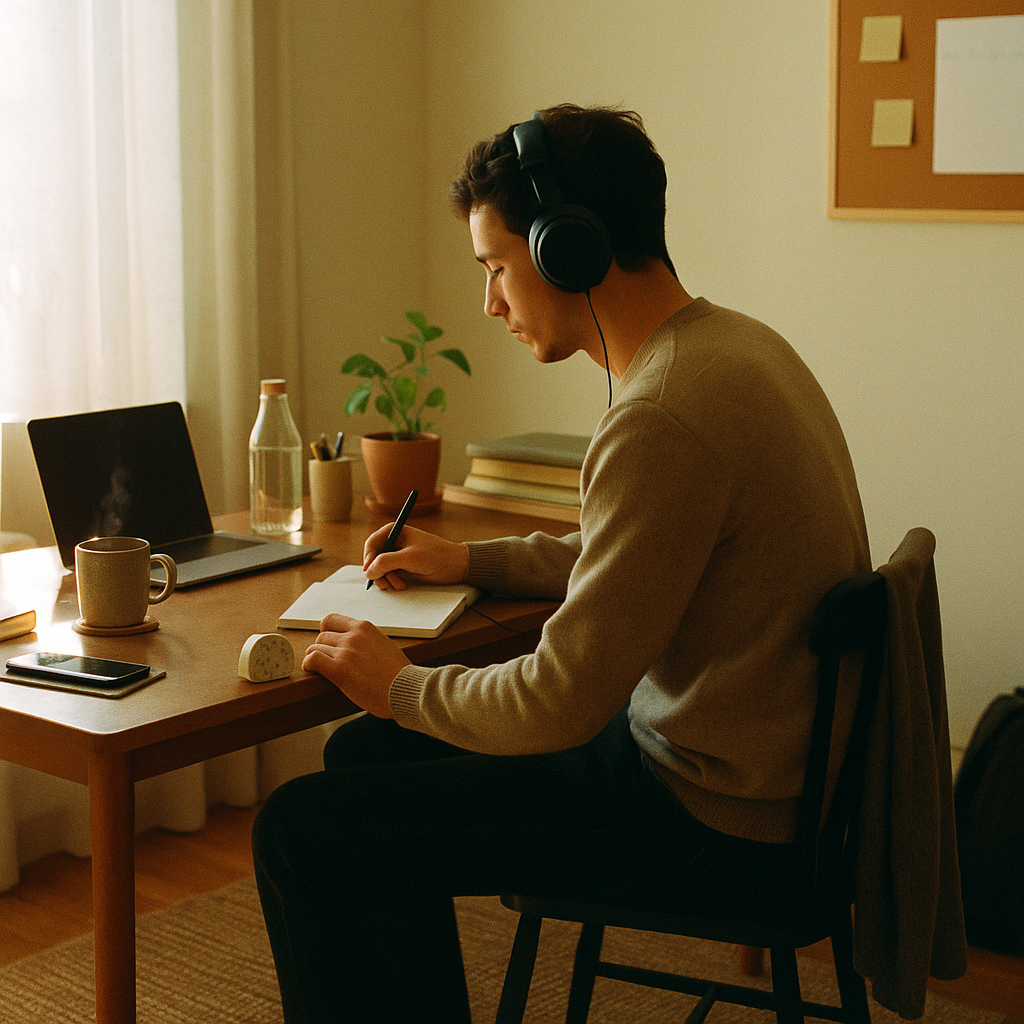
- Control Noise: Use noise-canceling headphones, listen to instrumental focus music (e.g., classical, ambient, lo-fi beats), or consider white noise generators.
- Optimize Lighting: Natural light is best for concentration and mood. If natural light is scarce, use bright, full-spectrum artificial lighting.
- Ergonomics: Ensure your chair, desk, and monitor are ergonomically set up to prevent discomfort, which can be a significant distraction.
- Temperature Control: Maintain a comfortable room temperature. Too hot or too cold can make it difficult to focus.
By systematically addressing both digital and environmental distractions, you create a sanctuary for your mind, significantly improving your capacity for sustained concentration. For more insights on developing good habits, check out our blog tag on habits.

Advanced Techniques and FazeAI Integration for Peak Focus
Mindfulness and Cognitive Training for Sharper Attention
Beyond external adjustments, cultivating internal mental discipline is crucial for sustained concentration. Mindfulness and cognitive training exercises can significantly enhance your brain's ability to focus and resist distraction.
Mindfulness Practices:
- Meditation: Regular meditation trains your brain to observe thoughts without getting carried away by them. Even 5-10 minutes a day can improve attention regulation. Focus on your breath, bodily sensations, or sounds, and gently bring your attention back whenever your mind wanders. FazeAI's AI coach EIWA can guide you through personalized meditation and mindfulness exercises.
- Mindful Breathing: Throughout your day, take short breaks to simply focus on your breath. Notice the sensation of air entering and leaving your body. This quick exercise can reset your attention and reduce mental clutter.
- Body Scan Meditation: Lie down and systematically bring your attention to different parts of your body, noticing any sensations without judgment. This practice enhances body awareness and grounds you in the present moment.
Cognitive Training Exercises:
- Brain Games: Apps and online platforms offering brain-training games (e.g., Lumosity, CogniFit) can help improve working memory, processing speed, and attention. While their long-term impact on general intelligence is debated, they can certainly sharpen specific cognitive skills.
- Dual N-Back Task: This challenging working memory exercise has been shown in some studies to improve fluid intelligence and working memory capacity, both critical for sustained concentration.
- Focused Attention Practice: Choose a simple object (e.g., a pen, a plant) and try to observe it without distraction for a set period. Notice its details, textures, and colors. This trains your selective attention.
These practices are not quick fixes but long-term investments in your cognitive health. Consistent application can lead to significant improvements in your ability to concentrate, manage stress, and maintain emotional regulation. Our blog category on Psychology & Cognitive Sciences offers further insights into these areas.
Leveraging FazeAI for Personalized Focus Enhancement
FazeAI, your AI-powered personal health & wellness assistant, offers a suite of tools that can be seamlessly integrated into your strategy for enhanced concentration and productivity. Our AI assessments and coaches provide personalized insights and guidance, moving beyond generic advice to scientifically tailored solutions.
FazeAI's Role in Optimizing Your Focus:
- MindPrint (Personality Assessment): Understanding your personality traits, such as conscientiousness and openness to experience (part of the Big Five model), can reveal your natural inclinations towards focus and discipline. MindPrint provides a detailed analysis, helping you identify your strengths and areas for improvement related to concentration. For example, if you score low on conscientiousness, the AI might suggest more structured planning and accountability partners.
- VitalPulse (Wellness Assessment): Your physical well-being directly impacts your mental clarity. VitalPulse assesses various aspects of your wellness, including sleep quality, stress levels, and energy patterns. By identifying deficiencies (e.g., poor sleep, high stress), FazeAI can recommend specific interventions – perhaps suggesting a personalized sleep routine or stress reduction techniques – that directly support better focus. You can also explore our blog tag on sleep for more advice.
- HeartMap (Emotional Intelligence Assessment): Emotional regulation is key to maintaining focus. If you're constantly battling intrusive thoughts or strong emotions, concentration becomes nearly impossible. HeartMap helps you understand and improve your emotional intelligence. The AI can then suggest strategies for managing emotional distractions, such as journaling or specific mindfulness exercises, to help you stay present and focused.
- AI Coaches (EIWA & SOLVYR):
- EIWA: As mentioned, EIWA specializes in meditation and mindfulness. It can guide you through tailored sessions designed to improve sustained attention, reduce mental chatter, and cultivate a sense of calm conducive to deep work.
- SOLVYR: For deeper cognitive challenges or persistent issues impacting focus, SOLVYR offers problem-solving and therapeutic support. If underlying issues like anxiety or unresolved stress are hindering your concentration, SOLVYR can provide a structured approach to address them, improving your mental clarity.
- Personalized Action Plans: Based on your assessment results and interactions with AI coaches, FazeAI generates personalized action plans. These plans are not one-size-fits-all but are specifically designed to address your unique challenges and leverage your strengths, offering step-by-step guidance on how to implement best practices for concentration effectively.
By integrating FazeAI's sophisticated tools, you move from generic advice to a data-driven, personalized approach to enhancing your concentration and productivity. It's about understanding yourself better and using that understanding to optimize your cognitive performance, a true example of AI-powered personal development.
Discover your profile with our AI assessments
Our 6 science-based assessments analyze your personality, emotional intelligence, wellness, and creativity.
Practical Tips and Frameworks for Daily Focus
Morning Routines and Pre-Work Rituals
The way you start your day often dictates its trajectory. A well-structured morning routine can prime your brain for focus and productivity. Here are some effective pre-work rituals:
- Hydration and Nutrition: Start with a glass of water to rehydrate after sleep. Follow with a balanced breakfast rich in protein and complex carbohydrates to provide sustained energy and mental clarity. Avoid sugary cereals or excessive caffeine on an empty stomach.
- Light Physical Activity: Even 10-15 minutes of light exercise – a brisk walk, yoga, or stretching – can increase blood flow to the brain, enhance alertness, and improve mood.
- Mindfulness or Meditation: Dedicate a few minutes to mindfulness or meditation. This helps to center your mind, reduce mental clutter, and set an intention for the day. Tools like FazeAI's EIWA can be very helpful here.
- Review Your Day's Priorities: Before diving into work, spend 5-10 minutes reviewing your tasks and priorities. Identify your 'frog' (most important task) and plan your first focused work block. This reduces decision fatigue and provides a clear roadmap.
- Avoid Digital Distractions: Resist the urge to check emails, social media, or news feeds immediately upon waking. This often pulls you into a reactive state, making it harder to initiate proactive, focused work.
Breaking Down Complex Tasks and Setting SMART Goals
Large, daunting tasks can feel overwhelming, leading to procrastination and a lack of focus. Breaking them down into smaller, manageable steps is a fundamental strategy for maintaining concentration and making progress. This approach is intrinsically linked to setting SMART goals (Specific, Measurable, Achievable, Relevant, Time-bound).
Task Breakdown Methodology:
- Identify the Main Goal: Clearly define what you want to achieve.
- Brainstorm Major Milestones: What are the significant stages or deliverables required to reach the goal?
- Break Milestones into Sub-Tasks: For each milestone, list the individual actions needed. Aim for sub-tasks that can be completed in 30-90 minutes.
- Prioritize and Sequence: Order your sub-tasks logically. Use methods like the Eisenhower Matrix (Urgent/Important) to prioritize.
- Estimate Time: Assign realistic time estimates to each sub-task.
- Schedule and Execute: Integrate these sub-tasks into your daily or weekly schedule using time blocking.
Example: Writing a Blog Post (like this one!)
- Goal: Publish a comprehensive blog post on 'Best Practices for Concentration'.
- Milestones: Research, Outline, Draft Introduction, Draft Main Sections, Write Practical Tips, Create FAQ, Draft Conclusion, Edit & Proofread, SEO Optimization, Image Sourcing.
- Sub-Tasks for 'Draft Main Sections':
- Section 1: Research cognitive mechanisms (30 min)
- Section 1: Draft cognitive mechanisms (60 min)
- Section 1: Research environmental impact (30 min)
- Section 1: Draft environmental impact (60 min)
- ... and so on for each section.
This structured approach makes the goal less intimidating, provides clear steps, and allows for frequent small wins, which boost motivation and sustain concentration. It's a key element of effective personal development features that FazeAI aims to support.
The Role of Breaks and Recovery in Sustaining Focus
Strategic Breaks and Micro-Breaks
Contrary to popular belief, working continuously without breaks does not improve productivity; it often leads to mental fatigue, decreased performance, and burnout. Strategic breaks are essential for sustaining concentration and optimizing cognitive function. Our brains are not designed for endless, uninterrupted work.
- The 90/20 Rule: Research suggests that our ultradian rhythms operate in approximately 90-minute cycles, moving from high-alert to low-alert states. Working intensely for about 90 minutes and then taking a 20-minute break aligns with these natural cycles, optimizing both focus and recovery.
- Active Breaks vs. Passive Breaks: During breaks, avoid activities that further drain your mental energy (e.g., scrolling social media, checking emails). Instead, opt for active breaks: stretch, walk around, look out a window, get a drink of water, or do a quick mindfulness exercise. These activities help to refresh your mind and body.
- Micro-Breaks: Even 1-2 minute micro-breaks every 25-30 minutes (as in the Pomodoro Technique) can be beneficial. Stand up, stretch, or simply close your eyes and take a few deep breaths. These short pauses prevent mental stagnation and help maintain alertness.
- Nature Breaks: If possible, spend a few minutes outdoors. Exposure to nature has been shown to reduce stress, improve mood, and restore directed attention.
Integrating these strategic breaks throughout your workday is one of the most effective best practices for concentration, ensuring you maintain a high level of mental performance without succumbing to fatigue.
The Importance of Sleep and Stress Management
No amount of time management or cognitive training can compensate for chronic sleep deprivation or unmanaged stress. These two factors are foundational to your ability to concentrate.
Optimizing Sleep:
- Consistent Sleep Schedule: Go to bed and wake up at roughly the same time each day, even on weekends. This regulates your circadian rhythm.
- Create a Relaxing Bedtime Routine: Wind down with activities like reading, a warm bath, or gentle stretching. Avoid screens (phones, tablets, computers) for at least an hour before bed, as blue light interferes with melatonin production.
- Optimize Your Sleep Environment: Ensure your bedroom is dark, quiet, and cool. Invest in a comfortable mattress and pillows.
- Mind Your Diet: Avoid heavy meals, excessive caffeine, and alcohol close to bedtime.
Adequate, high-quality sleep is when your brain consolidates memories, processes information, and clears waste products. It's not just rest; it's active restoration essential for cognitive function. For deeper dives, explore our sleep tag on the FazeAI blog.
Effective Stress Management:
- Identify Stressors: Become aware of what triggers your stress. Journaling can be a useful tool for this.
- Mindfulness and Meditation: Regular practice can reduce the physiological symptoms of stress and improve emotional regulation. FazeAI's EIWA is an excellent resource here.
- Physical Activity: Exercise is a powerful stress reliever, releasing endorphins and helping to burn off excess cortisol.
- Social Connection: Spending time with loved ones and engaging in social activities can provide emotional support and reduce feelings of isolation, a common stressor.
- Set Boundaries: Learn to say no to commitments that overextend you. Protect your time and energy.
- Professional Support: If stress becomes overwhelming, consider seeking support from a therapist or counselor. FazeAI's SOLVYR can provide initial problem-solving guidance.
By prioritizing sleep and actively managing stress, you create the optimal physiological and psychological conditions for your brain to perform at its peak, allowing for sustained and deep concentration. These are non-negotiable elements in any effective strategy aimed at enhancing concentration and productivity.
Frequently Asked Questions about Concentration and Productivity
- Q: How long should I realistically expect to focus on a single task?
- A: The ideal duration varies by individual and task complexity. Most people can sustain deep focus for 45-90 minutes before needing a short break. Techniques like the Pomodoro (25 minutes) or the 90/20 rule (90 minutes work, 20 minutes break) are excellent starting points. The key is to listen to your body and mind – when you feel your attention waning, it's time for a break, not to push through.
- Q: Is multitasking truly detrimental to concentration and productivity?
- A: Yes, true multitasking (doing two or more cognitively demanding tasks simultaneously) is largely a myth and is highly detrimental. What we often perceive as multitasking is rapid task-switching, which incurs a 'switch cost' – a loss of time and mental energy as your brain reorients to the new task. This reduces efficiency, increases errors, and impairs deep concentration. Focus on single-tasking for complex work and batching similar, less demanding tasks.
- Q: How can FazeAI help someone with ADHD or similar attention challenges?
- A: FazeAI can be a valuable support system. For individuals with ADHD, our structured approach to task management, personalized routines, and mindfulness exercises (via EIWA) can help create external scaffolding for focus. Assessments like MindPrint can provide insights into cognitive patterns, and SOLVYR can offer strategies for executive function challenges. While FazeAI is not a substitute for professional medical advice or treatment, it can complement existing therapeutic approaches by providing tools for habit formation, stress reduction, and structured goal-setting, all of which are crucial for managing attention challenges. Our blog tag on trauma and psychiatry also provides context for broader mental health considerations.
- Q: What are the immediate steps I can take today to improve my concentration?
- A: Start with these three immediate steps: 1) Turn off all non-essential notifications on your devices. 2) Dedicate the first 60-90 minutes of your workday to your most important task, free from interruptions. 3) Take a 5-minute mindful breathing break every couple of hours. These small changes can yield noticeable improvements very quickly and build momentum for more comprehensive strategies.
- Q: Can diet and exercise really make a significant difference in my ability to focus?
- A: Absolutely. Diet and exercise are fundamental pillars of cognitive health. A diet rich in whole foods, healthy fats (like omega-3s), and antioxidants supports brain function and stable energy levels. Regular physical activity increases blood flow to the brain, reduces stress, and improves neuroplasticity – all of which directly enhance attention, memory, and overall cognitive performance. Neglecting these aspects makes sustained concentration significantly harder.
Our specialized AI coaches guide your journey
Each coach is designed for a specific area of your personal development.
Conclusion
Mastering concentration in a world designed for distraction is a powerful skill, directly influencing your productivity, learning, and overall quality of life. The best practices for concentration are not about brute force, but rather about a strategic, holistic approach that integrates cognitive understanding, environmental optimization, advanced techniques, and personalized support. From implementing effective time management strategies like the Pomodoro Technique and time blocking, to diligently minimizing digital and environmental distractions, each step contributes to building a stronger foundation for deep work.
Furthermore, cultivating internal mental discipline through mindfulness and cognitive training, alongside prioritizing essential factors like sleep and stress management, are non-negotiable for sustained focus. Tools like FazeAI, with its personalized assessments (MindPrint, VitalPulse, HeartMap) and AI coaches (EIWA, SOLVYR), offer a cutting-edge advantage, providing tailored insights and actionable plans that go beyond generic advice. By understanding your unique cognitive profile and addressing specific areas for improvement, FazeAI empowers you to optimize your mental performance and achieve a state of flow more consistently.
The journey to enhanced concentration is ongoing, requiring consistent effort and adaptation. However, by embracing these best practices and leveraging intelligent tools, you can reclaim your attention, boost your productivity, and unlock a deeper level of engagement with your work and life. Start today by implementing one or two of these strategies, and experience the profound impact of focused intention. For more resources on personal development and cognitive enhancement, visit the FazeAI Blog.
Start your transformation with FazeAI
AI-powered coaching, daily tracking & science-backed tools — available 24/7.
Try for freeFree • No commitment • Available on mobile and web
Directeur Artistique
Artistic Director at FazeAI. Expert in UX design, cognitive ergonomics and intuitive interfaces. Christophe designs digital experiences that simplify daily life and calm the mind.
Recent articles
Why Screens Exhaust Us and How Smart Design Can Reverse the Trend
Screens often leave us feeling drained and overwhelmed. This article explores the cognitive, emotional, and physiological causes of screen exhaustion and demonstrates how thoughtful, human-centered design, combined with AI, can help reduce screen stress and create calmer, more supportive digital experiences. Learn practical strategies for both designers and users to foster digital well-being.
Why Screens Exhaust Us and How Thoughtful Design Can Reverse the Trend
Discover why digital screens exhaust us, from cognitive overload to physiological strain, and learn how thoughtful, human-centered design can reverse this trend. This article, penned by FazeAI's Art Director Christophe Orsat, offers practical strategies and insights into how intelligent UX can help reduce stress from screens, fostering a calmer and more mindful digital existence.
Mental Health Platforms for Businesses: A Comprehensive Guide to Workplace Well-being
Discover how mental health platforms for businesses are transforming workplace well-being. This guide explores essential features, implementation strategies, and the significant ROI of investing in employee mental health, fostering a more productive and engaged workforce.
Mental Health Platforms for Businesses: A Comprehensive Guide to Fostering Workplace Well-being
Discover how a mental health platform for businesses can transform workplace well-being, boost productivity, and improve retention. This comprehensive guide, authored by FazeAI's Artistic Director Christophe Orsat, delves into key features, implementation strategies, and the significant ROI of investing in employee mental health.